

MEP Courses Near You: Kochi, Ernakulam and Kollam Campus Guide
You are kindly requested to fill out this form and select the course at IIIC that interests you so that we may get in touch with you as soon as admissions are open.
Search for an mep course in kochi and you will get a list of coaching centres, none of which quite answers the real question: where in this part of Kerala can you actually train in building services at a campus with plant to work on. IIIC teaches it, but not in Kochi. This guide explains where the training sits, how applicants from the Ernakulam belt reach it, and whether that trade off is worth making.
Key Takeaways
- IIIC teaches building services at its 9.2 acre Neendakara campus in Kollam, on National Highway 66, rather than at a satellite centre in Kochi or Ernakulam.
- Kollam sits roughly seventy kilometres south of Kochi on the same highway and rail corridor, which makes it a straightforward journey rather than a relocation across the state.
- The campus is residential, so most applicants from outside Kollam take hostel accommodation rather than attempting a daily commute.
- Two programmes are on offer at different tiers, so decide which one you want before you weigh the travel question.
Why a Search for an MEP Course in Kochi Leads South to Kollam
Kochi and Ernakulam have plenty of short software classes, but building services is not primarily a software subject. It is a plant subject. The skill an employer pays for develops in front of real equipment that is behaving in an unexpected way, not in front of a slide deck.
That is the practical reason a genuine programme needs a campus rather than a classroom. Pumps, panels, pipework and ventilation plant take space, maintenance budget and technical staff, which is why very few centres in a city commercial district can offer them credibly.
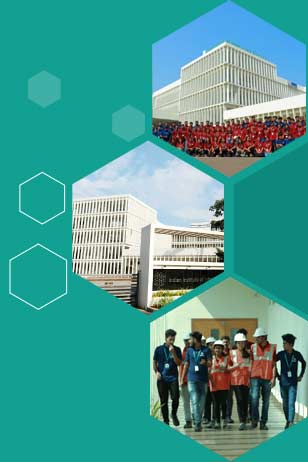
IIIC concentrates that infrastructure in one place: a 9.2 acre campus with more than 150,000 square metres of built up area at Neendakara in Kollam, with roughly seventy five percent of training delivered as hands on work rather than lectures.
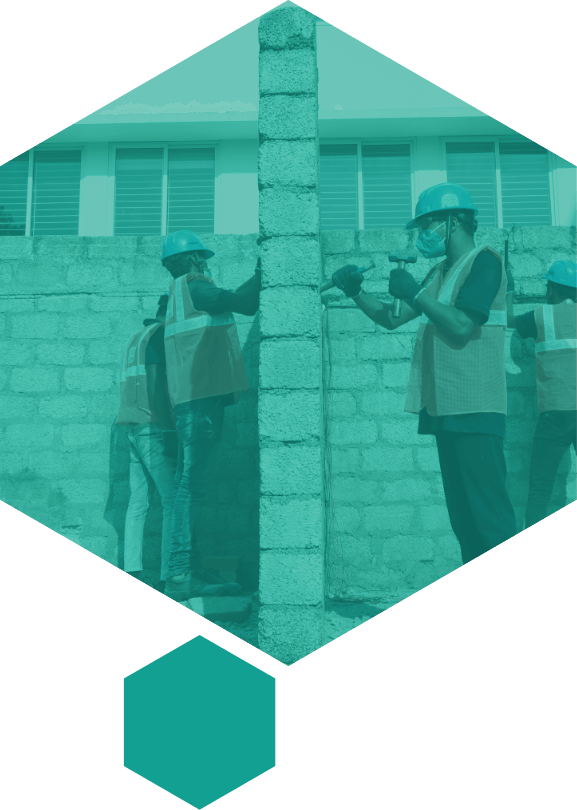
The facilities list is the practical proof of that claim. Dedicated workshops include the plumbing lab and the electrical lab, alongside a sewage treatment plant lab that lets students work on a full public health system rather than a diagram of one.
So the honest answer to the search is a redirection rather than a match. There is no IIIC campus inside Kochi, and treating a nearby short course as equivalent usually means paying for classroom hours that do not build the diagnostic skill the job actually needs.
For applicants from the Ernakulam belt, the practical question therefore becomes travel and accommodation rather than curriculum. That is a solvable problem, and the rest of this guide deals with it directly.
It is worth being clear about what a short city course can and cannot do. Software familiarity is genuinely useful and can be picked up locally, but it certifies nothing on its own and does not answer the question an employer asks about whether you have worked on live systems.
The credential question follows the same logic. A programme backed by a recognised national skill body carries a reference point an employer can check, which an unaffiliated local certificate does not, and that difference tends to matter most at exactly the moment you are shortlisted against somebody else.
Getting to the Neendakara Campus from Kochi and Ernakulam
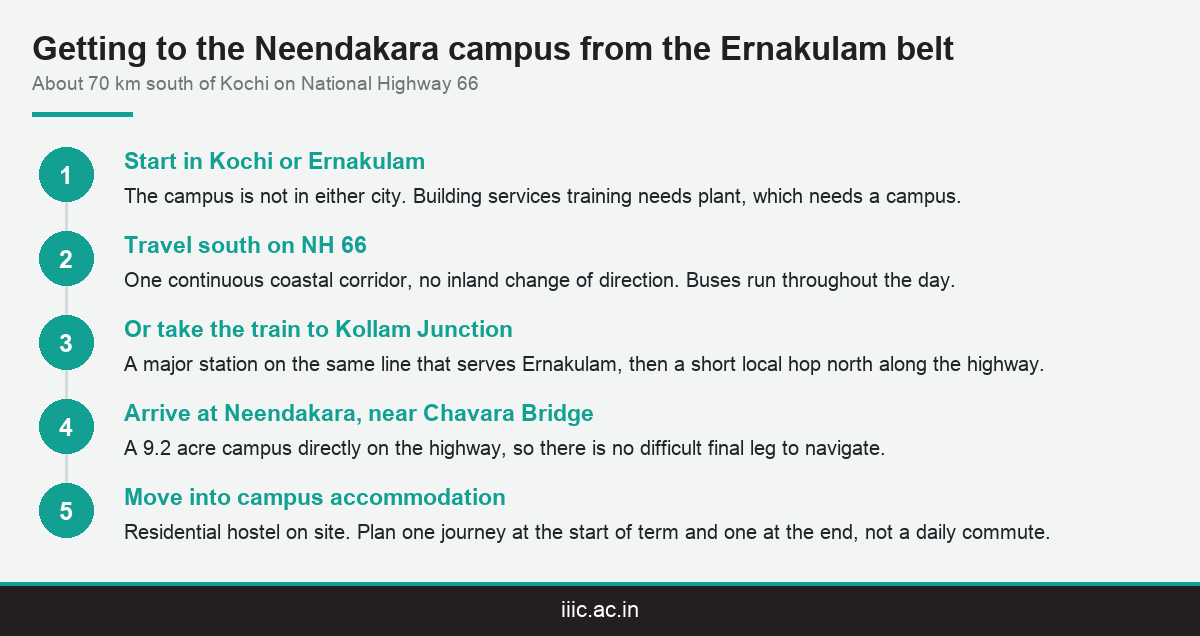
The campus sits on National Highway 66 near Chavara Bridge, at Puthanthura Post in Neendakara, Kollam. Being directly on the highway matters, because it removes the last mile navigation problem that makes many campuses awkward to reach.
By road, Kollam is around seventy kilometres south of Kochi along the same coastal highway corridor, and the route is continuous rather than requiring a change of direction inland. Buses on that corridor run frequently throughout the day.
By rail, Kollam Junction is a major station on the same line that serves Ernakulam, which makes it one of the easier intercity journeys in the state to plan around. From the station the campus is a short local hop north along the highway.
For an applicant weighing an mep course in ernakulam against travelling south, the realistic comparison is not daily commuting time. It is one journey at the start of a term and one at the end, with weekend trips home in between if you want them.
That is a materially different proposition from a daily commute, and it is why the travel objection tends to shrink once applicants price it properly. A relocation for six months is closer to a posting than to a move.
Applicants already based locally have the easiest version of this decision, since an mep course in kollam and the IIIC campus are the same thing, with no accommodation question attached at all.
Being on the highway also matters for site visits and industry sessions, since visiting engineers and recruiters reach the campus without a difficult final leg. That accessibility is part of why the institute is able to run an annual placement conclave on site rather than off campus.
Living on Campus Rather Than Commuting
The campus is residential, and for anyone travelling from Kochi or Ernakulam that is the assumption to plan around. Attempting a daily journey of that distance across a six month or one year programme is not realistic alongside practical sessions.
Campus hostel accommodation is provided on site, and it should be treated as part of the cost of the programme rather than an optional extra when you compare IIIC against a local classroom option.
The supporting facilities matter more than they sound when you are living somewhere for months. The campus runs a cafeteria, a central library, smart classrooms and a counselling cell alongside the technical workshops.
The facilities page lists the full set. It is worth reading before you visit, because the practical question of whether you can live and study comfortably in one place is what actually determines whether you finish.
There is also a quieter advantage to residence that graduates tend to mention. Being on site means access to workshops outside timetabled hours, and in a plant based discipline that additional unstructured time is where a lot of the real learning happens.
Visiting before committing is sensible, and the institute is set up for it. A single day trip from Kochi answers most of the questions this article cannot, including whether the equipment is what you expected.
Family concerns are usually the last obstacle for younger applicants, and they are worth addressing directly rather than talking around. A supervised residential campus with a counselling cell is an easier case to make at home than a rented room near a city coaching centre, and it costs less.
Deciding Which Building Services Programme You Are Travelling For
Before the travel question matters, settle the programme question, because IIIC runs two building services options at different tiers and they lead to different careers.
The six month Advanced Diploma covers systems and facility management, and its eligibility assumes a relevant degree or diploma plus roughly three years of work experience. Current terms sit on the AD MEP FM programme page.
The one year postgraduate programme covers systems and management for project delivery, and it generally requires a B.Tech or BE in Civil Engineering or Architecture. Its terms sit on the PGP MEP programme page.
The distinction is worth taking seriously. One trains you to install and coordinate services during a project; the other trains you to operate them across a building’s life. Mechanical, electrical and plumbing work covers both, but employers hire for one or the other.
If you want the longer read on the curriculum itself, IIIC publishes the building services guide on the IIIC blog and a separate facility management diploma guide covering each in more depth than a location page can.
Once the programme is settled, the travel logistics follow easily. Getting that order the wrong way round is how applicants end up committing six months to the tier that did not match their qualification in the first place.
The skill development ecosystem that both programmes sit inside is national rather than local, which is the final reason the campus location matters less than it first appears. The credential travels; the commute does not follow you afterwards.
Conclusion
If you are searching for an mep course in kochi, the useful answer is that the training exists about seventy kilometres south of you, on the same highway, at a campus built around real plant rather than classroom hours. Kollam is a straightforward journey from Kochi and Ernakulam by road or rail, the campus is residential, and the two building services programmes on offer sit at different tiers for different applicants. Decide which programme fits your qualification first, then plan the travel. Call 8078980000 or apply online at iiic.ac.in.
Related Reading
Frequently Asked Questions
Is there an MEP course in Kochi run by IIIC?
No. IIIC teaches building services at its Neendakara campus in Kollam rather than at a satellite centre in Kochi, because the training depends on real plant and workshop space that a city classroom cannot realistically provide for students.
How far is the IIIC campus from Kochi?
Kollam sits roughly seventy kilometres south of Kochi along National Highway 66, and the campus is directly on that highway near Chavara Bridge. Both road and rail connections run frequently along the same corridor throughout the day.
Can I commute daily from Ernakulam?
It is not realistic across a six month or one year programme with practical sessions. The campus is residential for exactly this reason, and most applicants from outside Kollam take hostel accommodation rather than travelling each day.
What accommodation is available on campus?
The Kollam campus provides hostel accommodation alongside a cafeteria, central library, smart classrooms and a counselling cell. Price accommodation into the programme cost rather than treating it as an optional extra when you compare IIIC against a local option.
Which building services programme should I apply for?
The six month Advanced Diploma suits applicants with a degree or diploma plus around three years of experience. The one year postgraduate programme generally requires a B.Tech or BE in Civil Engineering or Architecture instead of that experience.
Are there practical labs rather than just classrooms?
Yes. The campus runs dedicated plumbing, electrical and sewage treatment plant workshops among others, listed on the labs and workshops page. IIIC puts the practical share of its training at roughly seventy five percent rather than a token demonstration.
Can I visit the campus before applying?
Yes, and it is worth doing. A single day trip from Kochi or Ernakulam answers the equipment and accommodation questions directly. Use the enquiry form to arrange a visit before you commit to an intake.
What does the admission process involve?
Applications run through an online form, the ATEiiic entrance assessment, a group discussion and then a personal interview. Seats are capped at forty per programme, so applying early in an intake window is safer than waiting.
Do employers in Kochi recruit from the Kollam campus?
IIIC reports more than fifty recruiting organisations across its programmes, including major construction and materials firms that operate right across the state. Studying in Kollam does not limit you to employment in Kollam afterwards, and never has.
Is there an option closer to home for people already in Kollam?
Applicants based in Kollam have the simplest version of this decision, since the campus is local and no accommodation question arises. Everything else about the two programmes stays exactly the same as for applicants travelling in.